Dedham Top Home Appraisal for Homeowners and Property Buyers
Dedham Top Home Appraisal for Homeowners and Property Buyers
Blog Article
Expert Home Appraisal Services to Improve Your Property Value
Accurate home appraisal services play an essential role in establishing real estate worth. They provide sellers with vital insights into market worth, enabling them to establish competitive prices. Recognizing the elements that affect valuations can greatly impact monetary results. However, many homeowners remain unaware of the complexities at play. What misconceptions might impede their capacity to enhance property worth? Exploring this further reveals key strategies and considerations that could transform a property owner's approach.
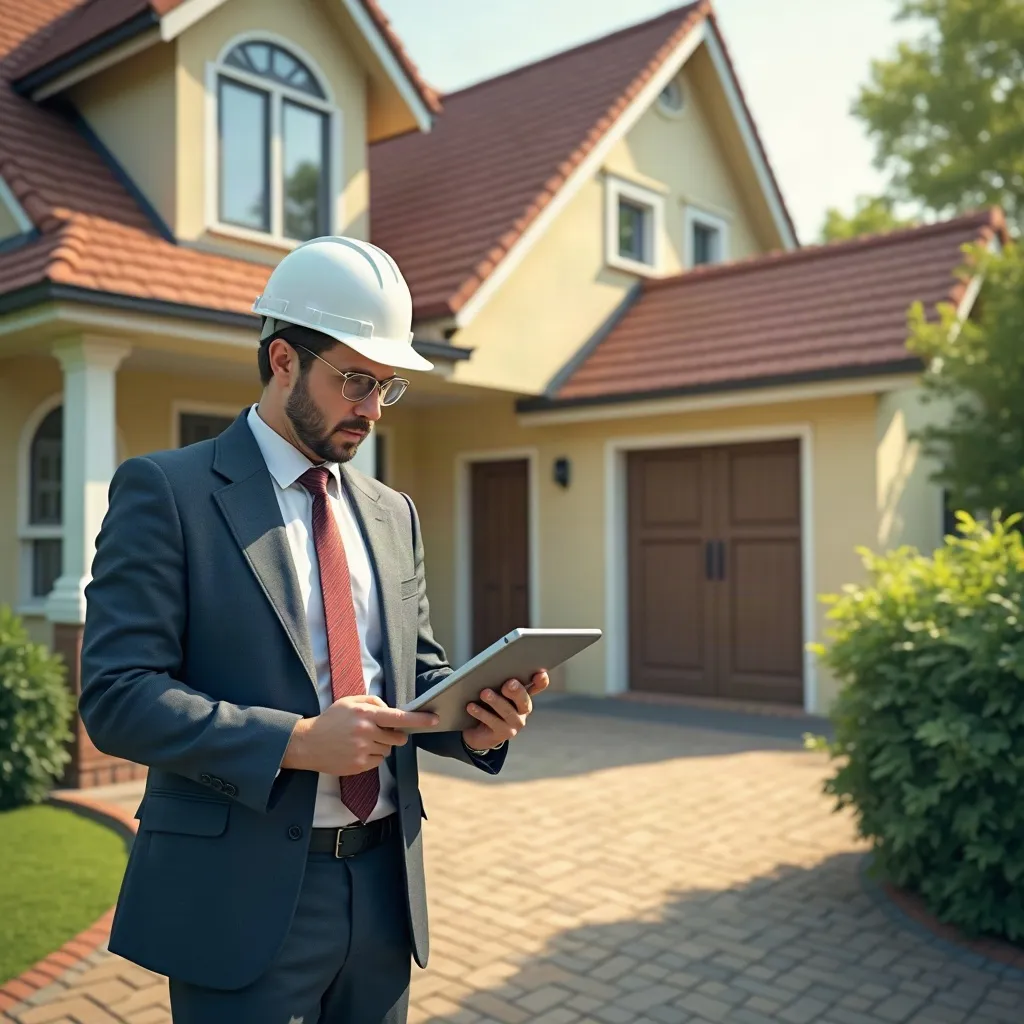
Why Reliable Home Property Valuations Are Crucial for Sellers
Precise residential appraisals are vital for sellers seeking to complete a successful sale. An accurate appraisal provides a clear understanding of the market value of a property, helping sellers to establish a fair price. When a home is priced accurately, it attracts more potential buyers, enhancing the chances of a speedier sale. Faulty appraisals can cause excessive pricing or underpricing, which may turn away buyers or lead to financial loss.
Sellers gain advantages through a comprehensive valuation that reflects present market trends and similar homes. This knowledge not only increases assurance during negotiations but also assists in defending the listed price to potential purchasers. Additionally, accurate appraisals enable smoother transactions, as they can prevent issues during the loan approval stage. Ultimately, utilizing a reliable appraisal service can greatly enhance a seller's standing in the property market.
Critical Factors That Determine Home Appraisal Worth
The appraisal values of homes are significantly affected by several key factors. The position of a real estate is critically important, as neighborhoods with superior facilities and educational institutions typically produce higher appraisals. Additionally, the state of the house itself is evaluated, with properly cared-for homes generally commanding increased worth.
Why real estate placement is essential for success
Where a property is situated fundamentally affects home appraisal values. Closeness to services including schools, parks, shopping centers, and public transportation can significantly boost a property's commercial viability. Neighborhood safety and charm also result in higher appraisals, as buyers often seek out living in attractive neighborhoods. Additionally, regional economic circumstances, including employment opportunities and future development plans, can shape property values. Zoning regulations and land use policies play a role in the potential for growth and investment in a given location. Moreover, comparable transactions in the nearby area provide appraisers with explanation important benchmarks, establishing valuation standards. Ultimately, a prime location can drive demand, making it an important aspect of the home appraisal process.
Residence Condition Analysis
The general state of a residence markedly influences its assessed worth, enhancing the significance of location. Appraisers evaluate structural integrity, including the foundation, roof, and plumbing infrastructure, to determine likely maintenance expenses. A well-maintained home with modern improvements generally achieves a higher value, while homes needing significant restoration may experience significant depreciation. Additionally, the visual appeal, such as outdoor appearance and indoor state, serve as an important factor in first impressions. Energy efficiency and contemporary features can also improve assessment results, reflecting current buyer preferences. Ultimately, keeping a property well-maintained not only preserves its market value but can also result in quicker sales and shorter haggling periods, rendering property condition evaluations critical in the assessment procedure.
How Local Market Trends Affect Your Home's Worth
Comprehending how regional market changes affect a home's value is critical for both those who own homes and interested parties alike. Real estate markets are dynamic, influenced by various factors such as supply and demand, economic conditions, and neighborhood desirability. For instance, in a bustling community with new developments and amenities, property values normally rise. Conversely, regions facing economic decline might see stagnant or dropping prices.
Seasonal trends also influence outcomes; homes often fetch higher prices in spring and summer due to increased buyer activity. Additionally, local employment rates and school district performance greatly affect buyer interest and, consequently, property values.
Homeowners need to remain informed of these movements to make educated decisions about their property investments. By learning about the local market dynamics, they can more advantageously place their homes for evaluation and potential resale, ultimately increasing their property value.
Bargaining Strategies for Purchasers Using Appraisal Analysis
In the domain of home buying, understanding appraisal value trends is essential for effective negotiation. Buyers can harness appraisal insights to establish strategic tactics and present compelling market comparisons to strengthen their position. By applying these strategies, they can navigate negotiations with greater conviction and possibly secure a better deal.
Grasp Appraisal Value Movements
How do appraisal value trends affect negotiation strategies for purchasers? Comprehending these trends gives purchasers with important understanding into market movements, enabling them to make well-researched decisions. By analyzing recent sales data and local property assessments, buyers can identify whether a property is fairly priced or overvalued. This knowledge allows them to approach negotiations with confidence, using data to support lower offers when necessary. Furthermore, recognizing upward or downward trends can help purchasers time their acquisitions more effectively, potentially avoiding inflated prices. Additionally, knowledge of regional market circumstances can empower purchasers to establish realistic expectations, eventually resulting in more productive bargaining. Therefore, grasping appraisal value trends is vital for calculated purchaser bargaining in real estate.
Leverage Appraisal Negotiation Tactics
Leveraging appraisal insights can greatly improve a buyer's negotiation tactics in real estate transactions. By understanding the property's appraised value, buyers can effectively argue their case during negotiations. If the appraisal reveals a lower value than the asking price, buyers can present this data to negotiate a better deal, potentially reducing their monetary obligation. Additionally, insights into particular property features and market conditions can enable buyers to challenge inflated pricing. Knowledge of comparable sales can also provide leverage, allowing buyers to justify their offers. Ultimately, employing these appraisal-based strategies not only supports informed decision-making but also fosters a more equitable negotiation environment, increasing the likelihood of a favorable outcome.
Share Convincing Market Comparisons
Understanding the appraised value of a property offers buyers with a solid basis for bargaining. By showcasing compelling market comparisons, buyers can successfully argue for a fair price. This involves analyzing recent sales of similar properties in the area, concentrating on factors such as square footage, location, and amenities. Buyers should gather data from various origins, including local real estate listings and appraisal reports, to strengthen their position. Highlighting discrepancies between the appraised value and the asking price can encourage sellers to reconsider their stance. Additionally, showing awareness of current market trends can instill confidence in the buyer's negotiation strategy, ultimately leading to a more favorable outcome in the purchasing process. Thoughtful analysis can therefore be an effective instrument in negotiations.
What Misconceptions Regarding Home Appraisals Should You Dismiss?
What erroneous beliefs regarding home appraisals that homeowners should dismiss? Many think that appraisals are purely opinion-based, shaped by the appraiser's personal opinions. In reality, appraisals depend on factual data, including comparable property sales and market trends. Another myth is that home improvements always increase property value. While upgrades can enhance appeal, they do not guarantee a proportional increase in appraisal value. Additionally, some homeowners think that appraisals are only required during a sale. However, getting an appraisal can be beneficial for refinancing or estate planning as well. Ultimately, the notion that appraisals are set in stone is misleading; values can fluctuate based on market conditions. By debunking these myths, homeowners can approach the appraisal process with a clearer understanding, making certain they optimize their property value effectively.
Finding the Perfect Evaluation Firm
Picking the right appraisal service can substantially determine the outcome of a property evaluation. Property purchasers should take into account several significant factors when deciding on a service. First, validating the credentials and qualifications of the professional appraiser is critical. Licensed appraisers with experience within the local market are more capable of delivering accurate assessments.
In addition, prospective clients should ask for recommendations and peruse reviews to evaluate the reputation of appraisal services. A strong track record and favorable customer testimonials can be tokens of reliability.
A key factor is learning the appraisal process and fees. Transparent pricing and clear communication regarding methodologies can improve trust between the property owner and the appraiser.
Finally, assessing the range of services offered can help ensure that the valuation provider aligns with particular requirements, whether for mortgage renewal, selling, or estate planning. A well-chosen appraisal service can lead to a more accurate property valuation, ultimately maximizing value.
How Do I Ready Myself for an Property Appraisal?
How can homeowners effectively prepare for an assessment? First, they should straighten and sanitize their homes to create a welcoming environment. This enhances the overall impression and allows the appraiser to focus on the property's features rather than personal items. Next, property owners should assemble pertinent records, including past appraisals, tax assessments, and improvement receipts; this information can support the property's value.
Moreover, attending to small maintenance needs—such as addressing dripping taps or repainting scuffed walls—can greatly influence the assessment result. Ensuring that all mechanical units such as plumbing, electrical, and HVAC are in operational condition is also essential. In conclusion, homeowners should provide the appraiser with a list of current improvements or enhancements, as these can determine property valuation. By pursuing these actions, property owners can exhibit their properties in the most favorable light, ultimately enabling a positive valuation outcome.
Often Posed Questions
How Much Time Should You Anticipate for a Home Appraisal?
A home evaluation typically takes between 30 minutes to two hours, depending on the property scale and complexity. Factors such as accessibility and the appraiser's diligence can also influence the timeframe of the process.
What qualifications Is Necessary for an real estate appraiser?
A qualified appraiser needs to obtain a state license or certification, pertinent background, and expertise of local real estate markets. Furthermore, strong analytical competence and meticulous consideration are fundamental for reliable property valuations.
Is it feasible to dispute a reduced Appraisal Value?
Yes, a property owner can challenge a reduced appraised amount by providing evidence such as similar property sales, home upgrades, or errors in the appraisal report. A official request can result in a reevaluation of the property's value.
How Frequently Should I Have My Home Evaluated?
Homeowners might want to think about getting their residence appraised every 3 to 5 years, especially after significant remodeling or changes in market conditions. Consistent assessments help sustain an precise understanding of a home's existing monetary worth.
Do appraisals affect Home Insurance Rates?
Appraisals influence home insurance rates, since they establish the property's value. Higher appraisals might cause increased premiums, whereas lower appraisals could lead to reduced insurance costs, demonstrating the property's perceived risk and replacement value.
Report this page